Efficiency Studies/Audits
In the attractions industry, efficiency is often associated with shorter lines and improved guest satisfaction. And while efficient operations absolutely help create a positive guest experience, efficiency also plays a critical role in something even more important: safe ride & aquatic operations. When properly understood, efficiency strengthens safety. It reinforces consistency, improves teamwork, and helps ensure critical safety procedures are completed every single ride cycle. Efficiency is not just about moving guests through — it is about moving them through correctly. Efficiency isn’t just about speed — it’s about maximizing throughput while maintaining safety and guest satisfaction. Our Efficiency Studies and Audits combine data review, on-site observation, and operational analysis to help you pinpoint performance opportunities and actionable solutions.
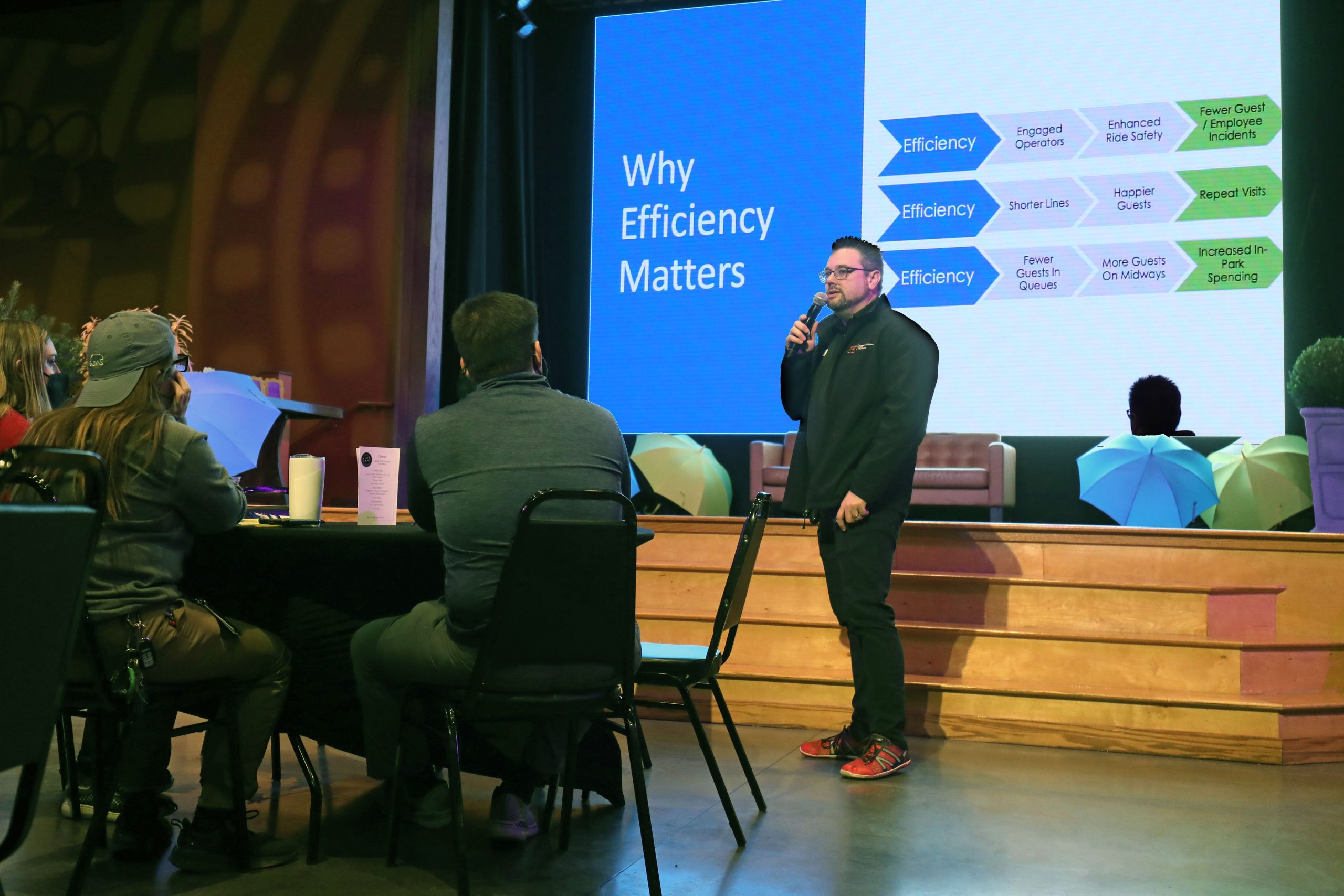
Why Efficiency Matters
Safe throughput is the lifeblood of an amusement park. In a pay-as-you-go environment, ride efficiency directly impacts profitability. But in a pay-one-price facility, throughput has no less impact on profits.
Simply put, guests standing in line are not spending money elsewhere in the park. Moreover, guests spend more when they are having fun and guests waiting needlessly hours on end are not having fun. Increasing ride efficiency is therefore important and attainable. IRT’s efficiency studies combine review and analysis of historical data, interviews with operations management and supervisions, on-site observation and analysis of current operating procedures and operator performance to determine the root cause for efficiency problems and to find practical corrective measures to maximize throughput.
Efficiency Study Methodology
IRT’s efficiency studies combine review and analysis of historical data, interviews with operations management and supervisions, on-site observation and analysis of current operating procedures and operator performance to determine the root cause for efficiency problems and to find practical corrective measures to maximize throughput.
- Review and analyze historical throughput data
- Interview operations management and supervisors
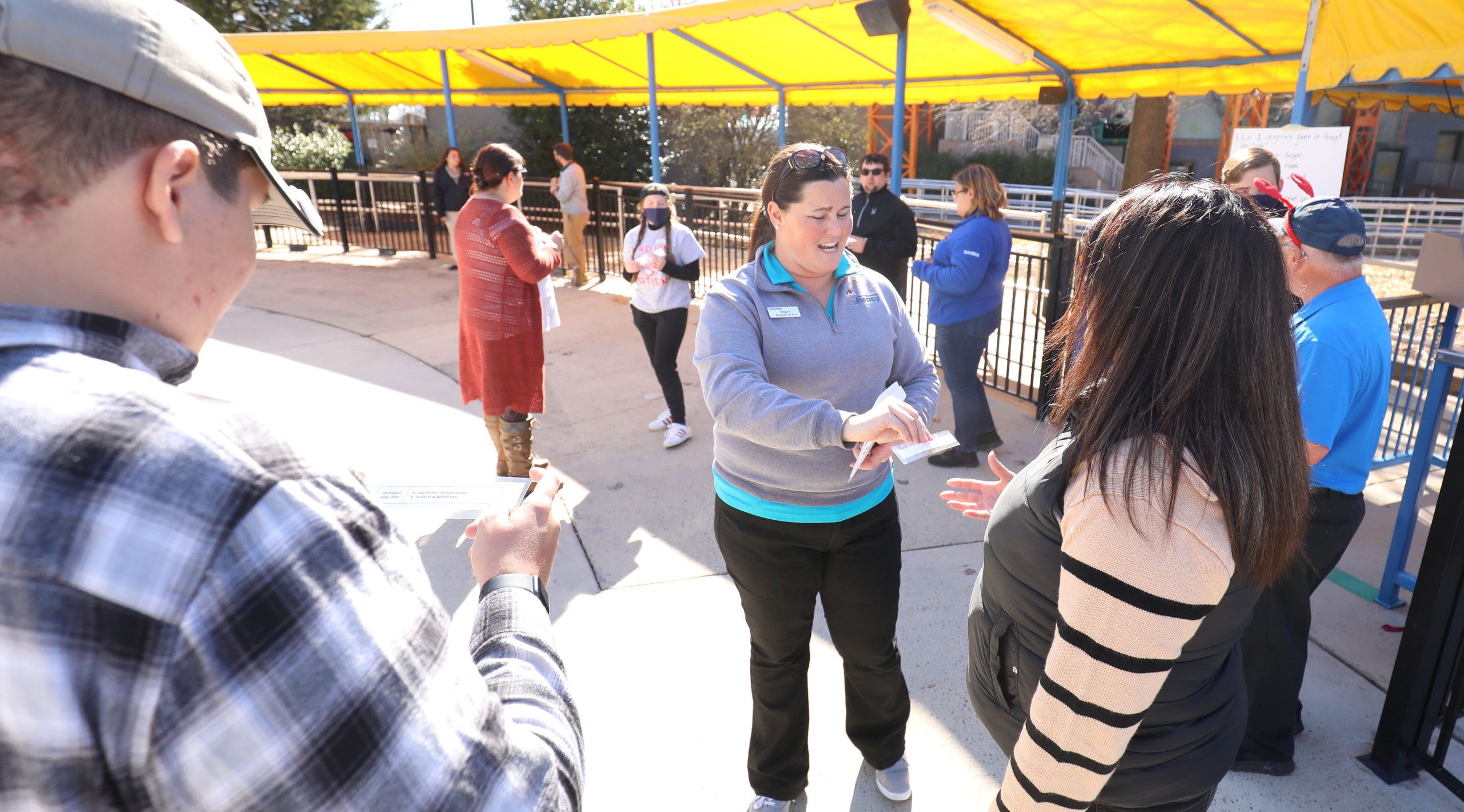
- On-site observation and analysis
- Find solutions and support with plan for implementation
- Narrative Report
- Exit Meeting with Client Management